If you’ve ever talked to different septic companies, you’ve probably heard two completely opposite opinions:
- “Septic tank treatments are a waste of money.”
- “Septic tank treatments are essential maintenance.”
So… which is it?
Let’s break it down in plain English.
How Your Septic Tank Actually Works
At its core, your septic tank runs on healthy bacteria.
Think of it like your digestive system. Your gut relies on good bacteria to break down the food you eat. If those bacteria levels get out of balance — too high or too low — you get sick.
Your septic tank works the same way.
Inside the tank, healthy bacteria break down solid waste so that liquids can safely flow out into your yard’s drain field. When everything is balanced, your system runs smoothly and quietly in the background.
But when bacteria levels drop too low? That’s when problems begin.

What Happens When Bacteria Levels Drop?
If solids aren’t broken down properly, they start to build up.
That buildup can:
- Block the normal flow of wastewater
- Prevent liquids from moving into the drain field
- Cause sewage backups into toilets and drains
- Lead to cracked or damaged pipes
- Potentially damage the entire drain field
And septic repairs are not cheap. We’re talking thousands — sometimes tens of thousands — of dollars.
So the real question becomes:
What causes bacteria levels to drop in the first place?
Everyday Products That Can Harm Septic Bacteria
Here’s the surprising part: many products we use every single day can impact your septic system.
These include:
- Bleach, Clorox, and toilet bowl cleaners
- Antibacterial soaps and disinfectants
- Pool chemicals (if connected to your septic system)
- Shampoo, conditioner, and body wash
- Laundry detergents, fabric softeners, stain removers
- Dish soap, dishwasher pods, degreasers
- Drain cleaners
- Cooking grease, fats, and oils
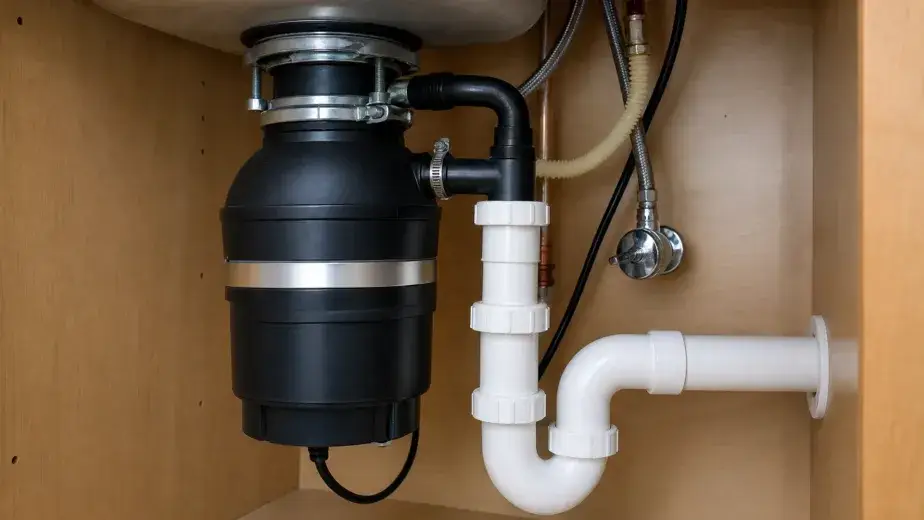
- Heavy use of garbage disposals
- Carpet and rug cleaning chemicals
Most of these products are designed to kill bacteria. That’s great for your kitchen counter — not so great for your septic tank.
Over time, frequent exposure can reduce the healthy bacteria your system depends on.

So What Exactly Is a Septic Tank Treatment?
A proper septic tank treatment is simply a supplement of beneficial bacteria.
That’s it.
No harsh chemicals. No additives. Just the healthy bacteria your tank needs to function efficiently.
The goal is to:
- Replenish bacteria killed by household products
- Help break down solid waste
- Keep liquids flowing properly into the drain field
- Reduce buildup and risk of backups
Think of it as a probiotic — but for your septic system.
When Septic Tank Treatment Is Probably NOT Necessary
Let’s start with the honest answer many companies won’t give:
Some septic systems do just fine without additives.
Treatment may not be necessary if:
- Your tank is pumped regularly (every 8 to 10 years (and no longer than 15 years) with consistent monthly treatment)
- Your household uses minimal to no harsh chemicals in any products(no bleach, detergents, antibacterial soaps, etc.)
- You don’t use a garbage disposal
- Water usage is low
In ideal conditions, a septic system is self-sustaining.
If that’s your situation, treatment may offer minimal measurable benefit.
The Financial Perspective
Now let’s talk dollars.
- Average monthly septic treatment cost: around $3 per month
- Septic system repair or drain field replacement: $5,000–$30,000+
When you compare those numbers, it becomes less about “Do I absolutely need this?” and more about:
Is it worth a small monthly cost to reduce the risk of a major expense?
For many homeowners, the answer is yes.
The Bottom Line
Your septic system depends on healthy bacteria to function properly. Modern household products can reduce those bacteria levels. Septic tank treatments simply replenish what may be lost.
Are they magic? No.
Are they a substitute for proper pumping and maintenance? Absolutely not.
Can they help support a healthy system? In many cases, yes.
At the end of the day, it’s about risk management. For a few dollars a month, many homeowners feel it’s a smart layer of protection.
And when it comes to avoiding sewage backups in your home… that peace of mind can be priceless.