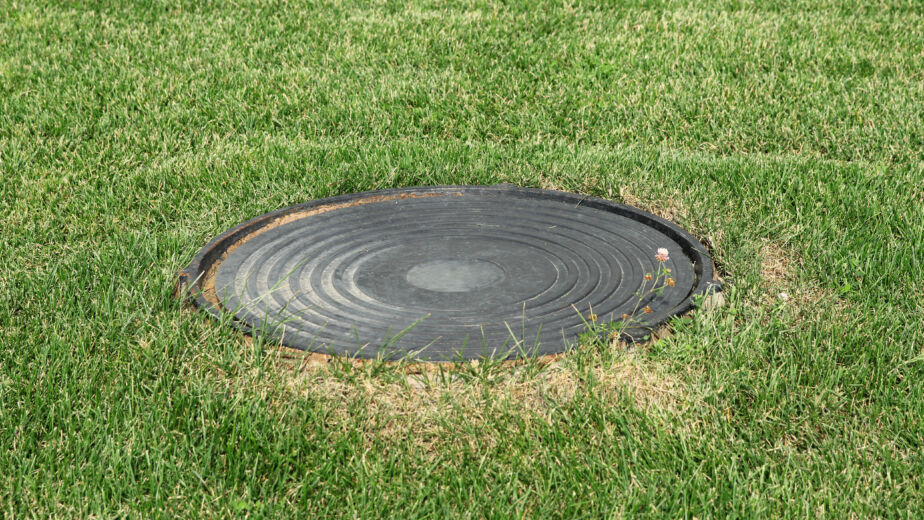
Dishwasher pods are incredibly convenient. You just toss a brightly colored square into the machine, press a button, and your dishes come out sparkling clean. But if you rely on a septic system to treat your home’s wastewater, that little pod could be causing big problems underground.
The Short Answer: Most conventional dishwasher pods are not safe for septic systems. They are packed with harsh chemicals, synthetic fragrances, phosphates, and, most importantly, high concentrations of bleach or chlorine. These ingredients kill the beneficial bacteria in your septic tank, stopping the natural waste breakdown process and leading to expensive system failures.
Let’s look at exactly what is inside those pods, how they damage your septic tank, and the safe, natural alternatives you should be using instead.
The Biological Balance of Your Septic System
To understand why dishwasher pods are so dangerous, you have to understand how your septic system works.
When wastewater leaves your house, it enters the septic tank. Heavy solid waste sinks to the bottom to form a sludge layer, while fats and oils float to the top to form a scum layer. The relatively clear liquid in the middle (effluent) flows out into the drain field, where the soil filters it.
The entire system functions because the tank is full of naturally occurring, beneficial bacteria. These bacteria are constantly feeding on the solid waste in the sludge layer. By breaking down the solids, the bacteria significantly reduce the volume of waste in the tank, ensuring the sludge layer doesn’t grow too fast.
If these bacteria die, the solid waste stops breaking down. The sludge layer rapidly builds up, filling the tank. Eventually, that solid waste is pushed out into your drain field, permanently clogging the soil and causing a massive, expensive system failure.
The Hidden Dangers Inside the Pod
Dishwasher pods are highly concentrated cleaning agents designed to dissolve baked-on food and grease in a very short amount of time. To achieve this, manufacturers pack them with aggressive chemicals.
Here are the three most dangerous ingredients for your septic system:
1. Bleach and Chlorine
This is the biggest threat. Many popular dishwasher pods use chlorine bleach to remove stains (like coffee or tea) from cups and plates. Bleach is a powerful antimicrobial agent. It does not distinguish between the bacteria on your dirty dishes and the beneficial bacteria keeping your septic tank alive.
When the dishwasher drains, that concentrated bleach water flows directly into the septic tank, wiping out billions of healthy bacteria.
2. Phosphates
While many states have banned phosphates in laundry detergent, they are still sometimes found in dishwasher detergents. Phosphates are incredibly effective at breaking down grease, but when they enter the environment, they act as a super-fertilizer.
If phosphates make it through your septic tank and into the drain field, they can cause massive algae blooms in nearby lakes or streams, and they can accelerate the growth of aggressive tree roots that will seek out and crush your drain field pipes.
3. Synthetic Surfactants and Fillers
The “cleaning power” of many pods comes from synthetic petroleum-based surfactants. These chemicals do not break down easily in the environment. They can pass straight through the septic tank, entering the drain field and eventually contaminating the groundwater.
Furthermore, the plastic-like casing that holds the liquid or powder in the pod (often made of Polyvinyl alcohol, or PVA) is designed to dissolve in water. However, studies have shown that in many wastewater treatment scenarios, the PVA does not fully biodegrade, instead breaking down into microplastics that accumulate in the sludge layer of your tank.
The Safe Alternative: Septic-Safe Dishwasher Detergent
If you want clean dishes and a healthy septic system, you need to switch your detergent.
The safest option is to use a liquid or powder dishwasher detergent that is explicitly labeled as septic-safe, biodegradable, and phosphate-free.
Look for products that use natural, plant-based enzymes to break down food particles instead of harsh chemicals. These enzyme-based cleaners are just as effective at cleaning dishes, but they are completely harmless to the bacteria in your septic tank.
In fact, when those natural enzymes wash down the drain, they actually help your septic system by adding more beneficial bacteria to the ecosystem.
What to Do If You Must Use Dishwasher Pods
We understand that sometimes, you might not have a choice. If you live with roommates, rent out your property, or simply have a stockpile of conventional dishwasher pods that you need to use up, there is a way to mitigate the damage.
If you are using dishwasher pods that contain bleach, chlorine, or harsh chemicals, you should counteract the damage by using a monthly bacterial septic tank treatment.
Every time a pod washes down the drain, it wipes out a portion of the healthy bacteria in your tank. A high-quality monthly septic treatment introduces billions of fresh, hungry bacteria back into the system. This regular “boost” helps replenish the bacterial workforce that the dishwasher pods are killing off. While it’s always better to avoid harsh chemicals entirely, a monthly treatment acts as an essential insurance policy, ensuring that your tank always has enough bacteria to break down solid waste and protect your drain field from catastrophic clogs.
The Bottom Line
The convenience of a dishwasher pod is not worth the cost of replacing a failed septic system. By switching to a natural, phosphate-free, and bleach-free liquid or powder detergent, you can keep your dishes sparkling clean while protecting the delicate biological balance of your septic tank.
Regular maintenance is key to a healthy septic system. Consider incorporating a high-quality monthly bacterial septic tank treatment into your routine. These treatments introduce beneficial bacteria that help break down solids, prevent clogs, and extend the life of your system, saving you from costly repairs in the long run.