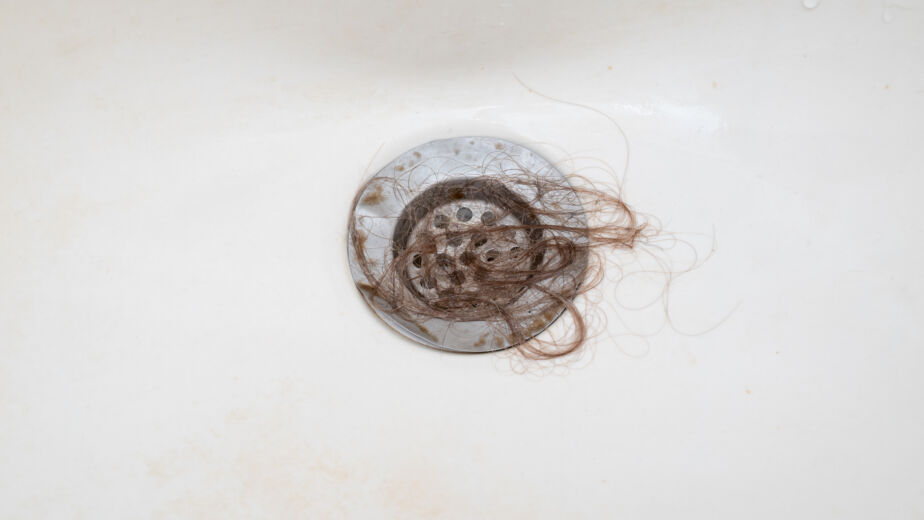
There are few things more horrifying for a homeowner than walking into the bathroom and finding dark, foul-smelling water backing up into the bathtub or shower. It is a massive health hazard, a disgusting mess, and a clear sign that your plumbing system has completely failed.
The Short Answer: A sewage backup in your bathtub means there is a major blockage in your main sewer line, your septic tank is completely full, or your drain field has failed. You must immediately stop all water use in the house, shut off the main water supply if necessary, and call an emergency septic professional.
If you are staring at sewage in your tub right now, do not panic, but do act quickly. Here are the exact steps you need to take to protect your home and your health.
Step 1: Stop All Water Use Immediately
The water backing up into your tub is not coming from the tub itself—it is coming from somewhere else in your house.
Every drain in your home connects to one main sewer pipe that leads to your septic tank. When that main line is blocked, or when the tank is full and cannot accept any more wastewater, the water has nowhere to go but backward. It will always seek the lowest point of entry in your home, which is almost always a first-floor or basement bathtub or shower drain.
If you flush a toilet upstairs, run the washing machine, or let a sink drain, that water will end up in your downstairs bathtub.
Action: Tell everyone in the house to stop using water. Do not flush toilets, do not wash hands, and turn off the dishwasher or washing machine immediately.
Step 2: Shut Off the Main Water Valve (Optional but Recommended)
If a toilet is running continuously or if someone accidentally turns on a faucet, the backup will get worse. To be absolutely safe, you can shut off the main water supply to the house.
Action: Locate your main water shut-off valve (usually near the water meter, in the basement, or where the main pipe enters the house) and turn it off. This ensures no additional water can enter the plumbing system.
Step 3: Keep Kids and Pets Away
Raw sewage is incredibly dangerous. It is full of harmful bacteria, viruses, and pathogens that can cause severe illness.
Action: Close the door to the affected bathroom and keep children and pets far away from the area. Do not attempt to clean up the mess yourself without proper protective gear (gloves, goggles, rubber boots, and a mask).
Step 4: Call an Emergency Septic Professional
This is not a problem you can fix with a plunger or a bottle of drain cleaner. You are dealing with a main line blockage or a full septic system failure.
Action: Call a licensed septic pumping company or an emergency plumber who specializes in septic systems. Tell them you have raw sewage backing up into your home. They will need to inspect the main line, check the tank levels, and likely pump the tank immediately.
Step 5: Do NOT Use Chemical Drain Cleaners
It is tempting to pour a gallon of bleach or a harsh chemical drain cleaner (like Drano or Liquid-Plumr) down the tub drain in a desperate attempt to clear the blockage.
Do not do this.
First, these chemicals will not clear a main line blockage or a full septic tank. Second, when the plumber arrives, they will have to work with pipes filled with caustic, burning chemicals. Third, these chemicals will instantly kill the beneficial bacteria in your septic tank, causing even more long-term damage to your system.
Action: Leave the chemicals under the sink. If you want to maintain your drains after the emergency is resolved, use a natural, enzyme-based product to safely break down organic buildup.
Step 6: Professional Cleanup and Sanitization
Once the plumber or septic company has cleared the blockage or pumped the tank, the sewage will drain away. However, the bathtub and surrounding area are still contaminated.
Action: The area must be thoroughly cleaned and disinfected. If the backup was minor and contained to the tub, you can clean it yourself using a bleach solution (1 part bleach to 9 parts water) while wearing heavy-duty gloves and a mask. If the sewage overflowed onto the floor, soaked into drywall, or ruined carpets, you must hire a professional water damage restoration company to safely remove the contaminated materials and sanitize the room.
The Bottom Line
A sewage backup in your bathtub is the ultimate plumbing emergency. It means your main sewer line is blocked or your septic system has failed. The only way to prevent this nightmare scenario is through proactive maintenance.
Regular maintenance, including the use of a high-quality monthly septic tank treatment, is crucial for the longevity and efficiency of your septic system. These treatments help maintain the delicate balance of bacteria needed to break down waste, preventing costly backups and repairs.