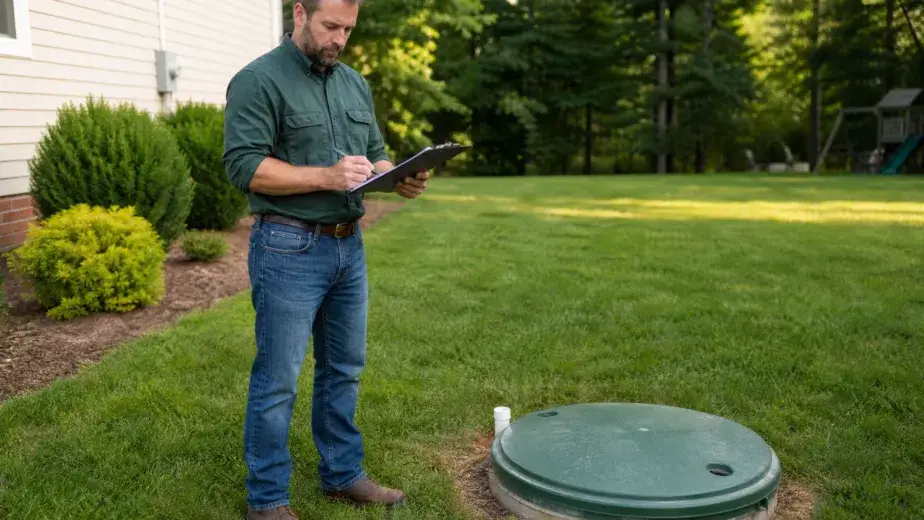
When you rely on a septic system, everything you flush down the toilet eventually ends up in a buried tank in your yard. While you might carefully avoid flushing wipes or feminine products, you probably don’t think twice about the toilet paper you use every day.
But not all toilet paper is created equal. Some brands dissolve almost instantly, while others sit at the bottom of your tank for months, taking up valuable space and risking a clog.
The Short Answer: The best toilet paper for a septic system is single-ply, recycled, or specifically labeled “septic-safe.” It dissolves rapidly in water, making it easy for the bacteria in your tank to break it down. The worst toilet paper is ultra-plush, “quilted,” or lotion-infused multi-ply paper, which takes significantly longer to dissolve and adds excessive solid waste to your tank.
Let’s look at how to test your current toilet paper, what to look for in the store, and why the wrong choice can lead to expensive septic repairs.
Why Toilet Paper Matters to Your Septic Tank
Your septic tank is a biological processing plant. When solid waste and toilet paper enter the tank, naturally occurring bacteria go to work breaking them down into a manageable sludge layer at the bottom.
The faster the toilet paper dissolves into tiny fibers, the easier it is for the bacteria to digest it.
If you use a thick, durable toilet paper that resists breaking down in water, it sinks to the bottom of the tank intact. This rapidly increases the depth of the sludge layer. If the sludge layer gets too high, it leaves less room for the liquid effluent, eventually forcing solid waste out into your drain field and causing a catastrophic system failure.
The “Jar Test” for Septic-Safe Toilet Paper
You don’t have to guess whether your favorite brand is safe for your septic system. You can perform a simple, visual test right in your kitchen.
- 1. Take a large, clear glass jar or a large drinking glass.
- 2. Fill it halfway with water.
- 3. Drop two or three squares of your current toilet paper into the water.
- 4. Put the lid on the jar (or cover the glass with your hand) and shake it vigorously for 10 seconds.
The Results:
- **Pass:** If the toilet paper has completely disintegrated into tiny, mushy fibers that look like snowflakes suspended in the water, it is highly septic-safe.
- **Fail:** If the toilet paper remains largely intact, or if it has only torn into a few large, solid chunks, it is not dissolving quickly enough. You should consider switching brands.
The Best Types of Toilet Paper for Septic Systems
When shopping for septic-safe toilet paper, look for these three characteristics:
1. Single-Ply
Single-ply toilet paper is the gold standard for septic systems. Because it is incredibly thin, it breaks down almost immediately upon contact with water. While it may not feel as luxurious as thicker options, it is the safest choice for preventing clogs and reducing sludge buildup.
2. Recycled Content
Toilet paper made from recycled paper is generally excellent for septic tanks. The fibers in recycled paper have already been broken down and processed multiple times, meaning they are shorter and weaker than virgin wood pulp. When they hit the water in your tank, they dissolve rapidly.
3. Biodegradable and “Septic-Safe” Labels
Many brands explicitly state “Septic Safe” or “Rapid Dissolving” on the packaging. While these claims are generally reliable, it’s still a good idea to perform the jar test to be sure. Brands that focus on biodegradability (like bamboo-based toilet paper) are also excellent choices, as they are designed to break down quickly in the environment.
The Worst Types of Toilet Paper for Septic Systems
If you want to protect your drain field and extend the time between expensive pump-outs, avoid these types of toilet paper:
1. Ultra-Plush and “Quilted” Multi-Ply
Brands that advertise their toilet paper as “ultra-soft,” “quilted,” or “premium 3-ply” are prioritizing comfort over solubility. These papers are woven tightly and designed to hold together when wet. They take significantly longer to break down in your tank, acting more like a paper towel than toilet paper.
2. Lotion-Infused or Scented
Toilet paper infused with aloe, lotion, or heavy perfumes should be avoided. The lotions and oils that make the paper feel soft also make it water-resistant, slowing down the dissolving process. Furthermore, the synthetic fragrances can disrupt the delicate bacterial balance inside your tank.
3. Paper Towels and Tissues
Never, under any circumstances, flush a paper towel, a facial tissue (like Kleenex), or a napkin. These products are specifically engineered to stay strong when wet so they can absorb spills. They will not break down in your septic tank and are a leading cause of main line clogs.
What to Do If You Must Use “Bad” Toilet Paper
We understand that sometimes, you simply prefer the comfort of ultra-plush, thick, multi-ply toilet paper, or you have guests visiting who are used to it. If you are going to use heavy-duty toilet paper that resists breaking down, you must compensate for the extra strain it puts on your septic system.
If you use thick, slow-dissolving toilet paper, it is incredibly important that you use a monthly bacterial septic tank treatment.
Because “bad” toilet paper sinks to the bottom of the tank and stays intact for much longer, it demands significantly more effort from the bacteria in your system to digest it. A high-quality monthly septic treatment enhances your tank’s bacterial levels, introducing billions of hungry, active bacteria that specifically target and break down stubborn paper fibers and solid waste. This monthly boost ensures your system has the biological power necessary to digest the thicker paper before it can rapidly build up your sludge layer or clog your drain field.
The Bottom Line
Choosing the right toilet paper is one of the easiest ways to protect your septic system. By switching to a rapidly dissolving, single-ply, or recycled brand, you drastically reduce the amount of solid waste accumulating in your tank.