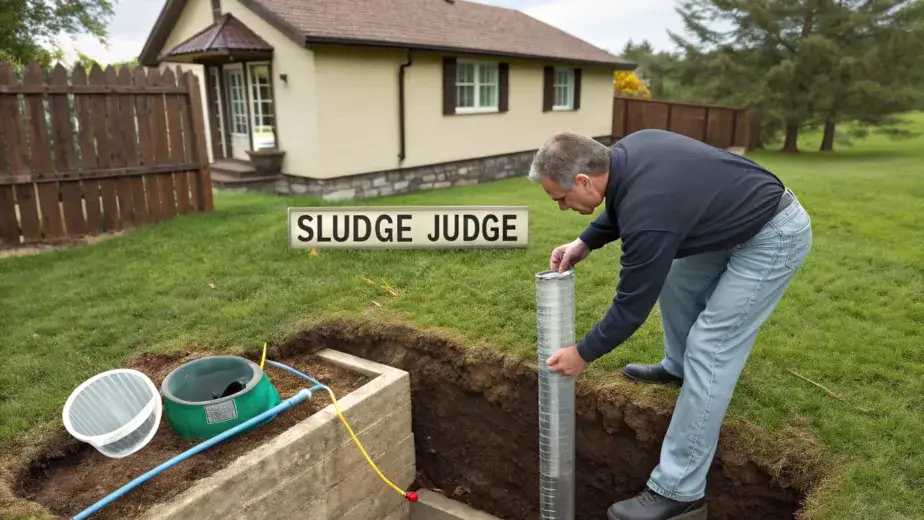
If you have large, beautiful trees growing in your yard, you might love the shade they provide. But if those trees are planted anywhere near your septic system, they could be quietly causing thousands of dollars in damage underground.
The Short Answer: Yes, tree roots can completely destroy a septic system. Roots naturally seek out water and nutrients, making the perforated pipes in your drain field and the joints of your septic tank an irresistible target. Once inside, they will clog pipes, crack concrete, and cause the entire system to fail.
Let’s look at why roots are so drawn to septic systems, the warning signs of root intrusion, and how to protect your tank and drain field without having to cut down every tree in your yard.
Why Roots Love Your Septic System
Your septic system is basically an all-you-can-eat buffet for trees and shrubs.
When wastewater leaves your house, it enters the septic tank. The solid waste settles, and the liquid effluent flows out into the drain field. This effluent is rich in water, nitrogen, phosphorus, and other nutrients.
Trees are incredibly efficient at finding these resources. Their root systems can extend outward two to three times the width of the tree’s canopy. When these tiny feeder roots detect the moisture and nutrients leaking from the drain field pipes or a tiny crack in the septic tank, they grow directly toward the source.
How Roots Cause Damage
Once the roots reach the system, the damage happens quickly.
1. Invading the Drain Field Pipes
The pipes in your drain field are perforated (full of small holes) to allow the effluent to slowly trickle into the soil. Tree roots easily slip through these holes. Once inside the pipe, the roots have a constant supply of water and fertilizer, so they grow rapidly.
Within a few months, a tiny root hair can grow into a massive, tangled mass that completely blocks the pipe. When the effluent cannot flow through the pipes, it backs up into your yard or your house.
2. Cracking the Septic Tank
If you have an older concrete septic tank, the joints and baffles are vulnerable. Roots can squeeze into microscopic cracks in the concrete or through the seams where the inlet and outlet pipes connect. As the roots grow thicker, they exert immense pressure, eventually cracking the concrete and causing the tank to leak raw sewage into the surrounding soil.
Signs You Have a Root Problem
Because the damage happens underground, you usually won’t know you have a root intrusion problem until the system starts to fail. Look out for these warning signs:
- Slow Drains and Gurgling: If multiple drains in your house are slow or making gurgling noises, a root mass may be blocking the main sewer line leading to the tank or the outlet pipe leading to the drain field.
- Lush Green Grass: If the grass directly over your septic tank or drain field is significantly greener and taller than the rest of the yard, roots may have cracked a pipe, causing effluent to leak near the surface.
- Sewage Odors or Mushy Spots: If you smell raw sewage in the yard or notice wet, spongy areas over the drain field, the pipes are likely clogged, forcing the wastewater up to the surface.
How to Prevent Root Intrusion
The best way to deal with tree roots is to prevent them from reaching the system in the first place.
1. Plant the Right Vegetation
The only thing you should ever plant directly over your drain field or septic tank is grass. Grass has a shallow root system that helps prevent soil erosion and promotes evaporation without threatening the underground pipes.
Never plant trees, large shrubs, or vegetable gardens near the system. If you want to plant trees in your yard, ensure they are placed far enough away. A general rule of thumb is to plant a tree at a distance equal to its expected mature height (e.g., if a tree will grow 30 feet tall, plant it at least 30 feet away from the drain field).
2. Avoid Water-Loving Trees
Some trees have incredibly aggressive, water-seeking root systems and should be kept as far away from septic systems as possible. These include:
- Willows
- Weeping Birches
- Poplars
- Elms
- Silver Maples
3. Maintain the System
Regular maintenance is your best defense. Have your septic tank pumped and inspected every 3 to 5 years. During the pump-out, the technician can inspect the tank for cracks and check the inlet and outlet pipes for early signs of root intrusion.
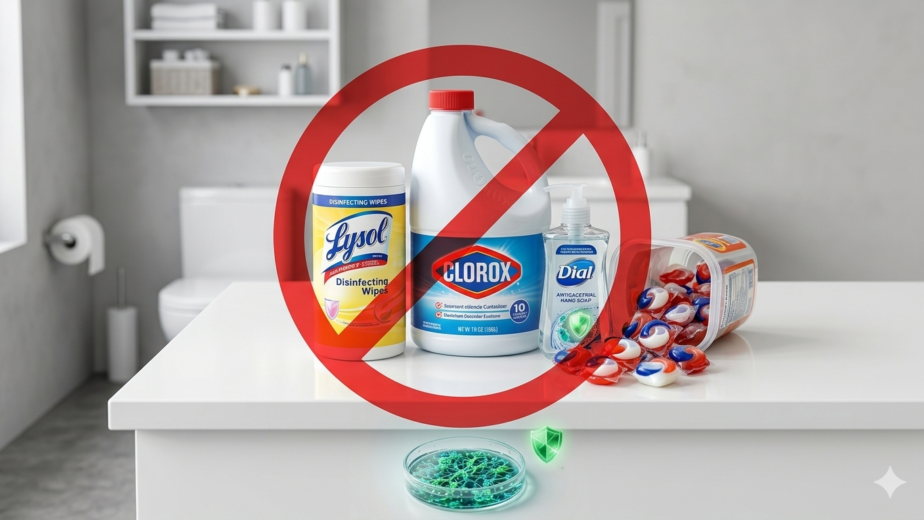
If you already have slow drains caused by minor root buildup or organic clogs, avoid harsh chemical drain cleaners like bleach or lye. These chemicals will destroy the beneficial bacteria in your tank. Instead, use a monthly natural bacterial treatment like a high-quality bacterial treatment to keep the organic waste in your tank broken down efficiently, and an eco-safe product like a natural enzyme-based drain cleaner to maintain clear lines inside the house.
The Bottom Line
Tree roots and septic systems are a disastrous combination. By knowing where your system is located, planting only grass over the drain field, and keeping aggressive trees far away, you can protect your underground pipes from being crushed or clogged. If you suspect roots have already invaded your system, call a septic professional immediately before a minor clog turns into a major sewage backup.