When a sink starts to smell musty or a shower drain slows down, many homeowners reach for the most powerful cleaner they have under the sink: a jug of bleach. It seems like a logical solution to kill the germs and sanitize the pipes. But if your home relies on a septic system, pouring bleach down the drain is one of the most destructive things you can do.
The Short Answer: Bleach is designed to kill bacteria. Your septic system relies entirely on a delicate ecosystem of beneficial bacteria to break down solid waste. When you pour bleach down the drain, it travels directly into your septic tank, wiping out the healthy bacteria, stopping the waste breakdown process, and putting your entire system at risk of catastrophic failure.
Let’s look at exactly what happens inside your septic tank when you use bleach, the hidden damage it causes to your plumbing, and the safe, natural alternatives you should be using instead.
The Biological Heart of Your Septic System
To understand why bleach is so dangerous, you have to understand how your septic system works.
When wastewater leaves your house, it enters the septic tank. Heavy solid waste sinks to the bottom to form a sludge layer, while fats and oils float to the top to form a scum layer. The relatively clear liquid in the middle (effluent) flows out into the drain field, where the soil filters it.
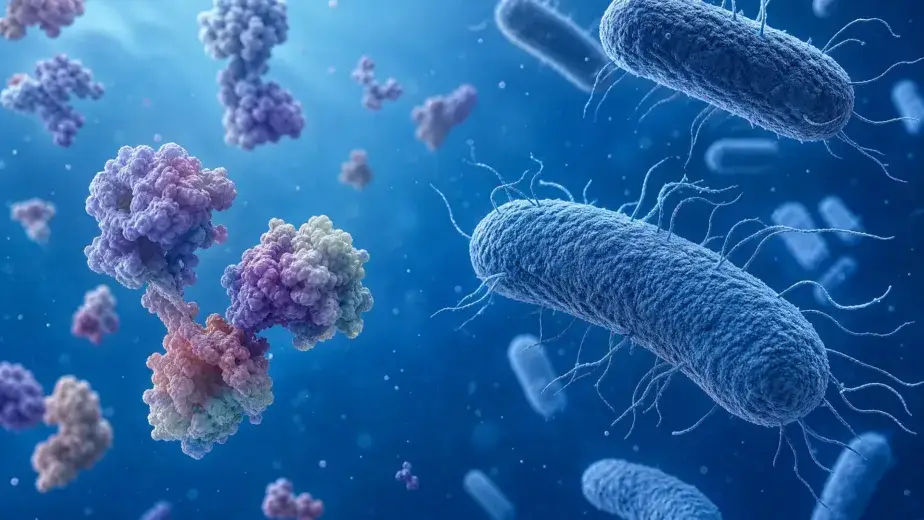
The entire system functions because the tank is full of naturally occurring, beneficial bacteria. These bacteria are constantly feeding on the solid waste in the sludge layer. By breaking down the solids, the bacteria significantly reduce the volume of waste in the tank, ensuring the sludge layer doesn’t grow too fast.
If these bacteria die, the solid waste stops breaking down. The sludge layer rapidly builds up, filling the tank. Eventually, that solid waste is pushed out into your drain field, permanently clogging the soil and causing a massive, expensive system failure.
What Bleach Does to the Tank
Bleach (sodium hypochlorite) is a powerful, broad-spectrum antimicrobial agent. It does not distinguish between the “bad” bacteria causing a smell in your sink and the “good” bacteria keeping your septic tank alive.
When you pour bleach down the drain, or use heavy amounts of bleach in your laundry, it flows directly into the septic tank. Even in diluted amounts, bleach is highly effective at killing the beneficial bacteria in the tank.
A single cup of pure bleach can wipe out billions of healthy bacteria, severely crippling your system’s ability to process waste. If you use bleach regularly for cleaning or laundry, your septic tank is likely functioning at a fraction of its required capacity.
The Hidden Danger to Your Plumbing
Beyond destroying your septic tank’s ecosystem, pouring straight bleach down the drain can cause hidden damage to your home’s plumbing infrastructure.
If you have a slow drain or a partial clog, the bleach will sit in the P-trap (the curved pipe under the sink) or pool against the blockage. Bleach is highly corrosive. If it sits in contact with older metal pipes or rubber gaskets for an extended period, it can eat away at the materials, accelerating rust and causing the pipes to eventually leak or burst inside your walls.
Furthermore, if bleach mixes with other common household chemicals (like ammonia or certain toilet bowl cleaners) inside the pipes, it creates toxic, potentially lethal chloramine gas that can back up into your home.
The Safe, Natural Alternative
If you have a slow, smelly drain, you need a solution that clears the pipe and eliminates the odor without harming your septic system.
The smell is usually caused by a buildup of organic “biofilm” (hair, soap scum, and bacteria) decomposing inside the pipes. Bleach doesn’t actually remove this sticky biofilm; it just temporarily disinfects the surface of it. The smell will return in a few days.
To permanently eliminate the odor and keep the drain flowing, you have to remove the food source (the biofilm).
The safest, most effective way to do this is with a natural, enzyme-based drain cleaner like a natural enzyme-based drain cleaner.
Instead of burning the sludge with harsh chemicals, enzyme cleaners use beneficial bacteria to literally “eat” and digest the organic buildup lining your pipes. You simply pour the liquid down the drain before bed and let it work overnight.
Because it is 100% natural, it is completely safe for your plumbing. And when those enzymes eventually reach your septic tank, they actually help the system by adding more healthy bacteria to the ecosystem.
The Bottom Line
Bleach is a powerful cleaner, but it has no place inside your plumbing if you own a septic system. The toxic chemicals kill the bacteria your system relies on and can permanently damage your drain field. By switching to septic-safe laundry detergents and using a natural enzyme product like a natural enzyme-based cleaner for routine drain maintenance, you can keep your pipes clear, your home smelling fresh, and your expensive septic infrastructure perfectly safe.