When to replace an effluent pump depends on its tested condition, not a fixed age. Replace it when a qualified septic professional confirms that the pump itself cannot reliably deliver the system’s required flow and pressure, or when repair is not a dependable option. A high-water alarm is a reason to reduce water use and arrange prompt service—not proof by itself that the pump has failed. [1] [2]
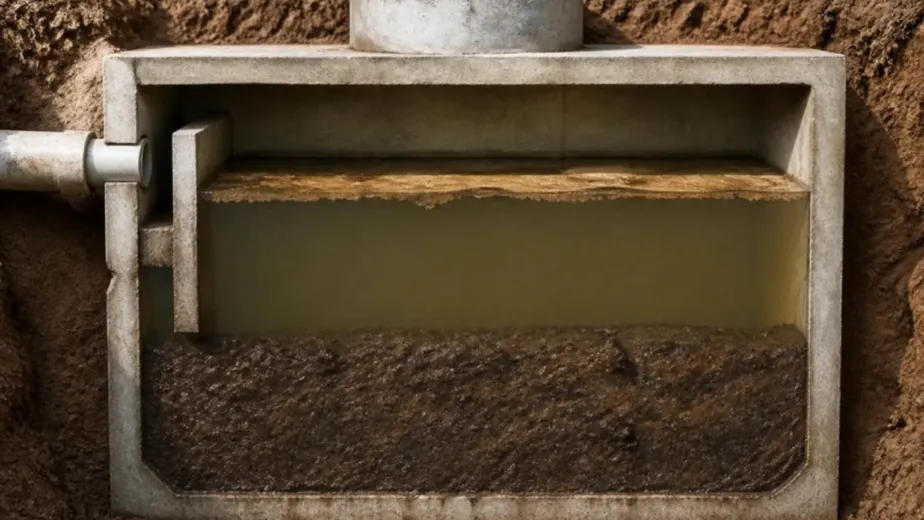
An effluent pump moves the liquid layer leaving a septic tank or treatment component into the next part of the system. It works with floats, an alarm, electrical controls, a discharge line, and often a screen or filter. Any of those parts can cause the same symptom: a rising water level or an alarm. That is why replacing the pump before testing the whole assembly can waste money and leave the real problem unresolved.
What are the clearest signs of a pump problem?
Call a qualified septic or plumbing professional promptly if the high-water alarm sounds, the alarm light stays on, or the pump chamber appears to be staying high. Missouri’s onsite wastewater owner manual says a high-water alarm usually indicates a pump malfunction, but it can also result from a clogged pressure system, excessive water use, or a leak. [1]
Other warning signs include wastewater backing up into plumbing, slow drains, gurgling, sewage odors, or wet and muddy ground near the tank or soil treatment area. These are signs of a system malfunction, not a pump diagnosis. [1] [2] A failing drainfield, blocked pipe, overloaded system, damaged tank, failed float, or electrical fault can produce similar symptoms.
Do not open a tank or pump chamber to investigate, and never enter one. Wastewater can contain pathogens, and tanks and chambers can contain poisonous gases or lack enough oxygen to support life. Keep children and pets away from open or damaged access points. [1]
Does a high-water alarm mean the pump must be replaced?
No. Treat the alarm as an urgent service signal. Conserve water while waiting: postpone laundry, limit showers, and avoid running appliances that discharge large amounts of water. The Missouri guidance specifically recommends contacting the service provider promptly and minimizing water use to reduce the risk of a backup or overflow. [1]
A professional should check whether the pump receives power, whether the floats move and switch correctly, whether the alarm works, and whether the pump actually starts and stops at the intended levels. The inspection should also look for a clogged effluent screen, a blockage or break in the discharge line, a leaking tank, corroded wiring, or a control-panel problem. Those defects may be repairable without replacing the pump.
When is replacement more likely than repair?
Replacement is generally appropriate when testing shows that the pump motor or impeller is worn, seized, damaged, or unable to meet the system’s required flow and pressure. A pump that runs but cannot deliver the design dose is not doing its job. Missouri’s manual emphasizes that pump capacity must match the flow rate and pressure required for the system. [1]
A professional may also recommend replacement when the pump has recurring failures after a proper repair, has severe corrosion or water damage, or has become mechanically unreliable. The decision should be based on test results, service history, the pump’s specifications, and the condition of the surrounding components—not simply on the number of years it has been installed.
A replacement must be matched to the existing system. A larger-looking or more powerful pump is not automatically better. The correct selection depends on the required flow, lift, pressure, discharge piping, dosing method, and electrical controls. An improperly matched pump can dose too little, dose too much, or fail to operate as designed. [1]
What should a professional inspect before installing a new pump?
Ask for a whole-system diagnosis rather than a pump-only swap. A qualified provider should inspect:
- The pump’s operation, noise, vibration, dose rate, and dose volume.
- Pump-on, pump-off, and high-water alarm floats.
- The control panel, wiring, disconnects, and electrical connections for corrosion or damage.
- The effluent screen, filter, or pump vault for blockage.
- The discharge pipe, check valve, pressure line, and outlet for obstruction or leakage.
- The pump tank’s liquid level, sludge, structural condition, and signs of groundwater entering or wastewater leaking out.
- The drainfield or other receiving component for evidence that it is overloaded or failing.
Missouri recommends routine checks of pump, floats, alarm, dose performance, electrical connections, and effluent screens. [1] EPA’s description of a typical septic inspection likewise includes checking tanks, filters, electrical connections, pumps, controls, wiring, piping, and the drainfield. [2]
If the tank or pump chamber needs pumping, use a qualified professional. Do not try to lift a pump, disconnect wiring, or handle wastewater yourself. Electrical diagnostics and wastewater exposure are jobs for trained personnel.
How often should an effluent pump be inspected?
There is no universal replacement interval for every effluent pump. System design, water use, solids control, pump quality, installation, corrosion, and maintenance all affect service life. Instead of waiting for failure, follow the system’s maintenance requirements and the pump manufacturer’s instructions.
EPA says alternative systems with electrical float switches, pumps, or other mechanical components should generally be inspected annually, and that a service contract can be important for systems with mechanized parts. [3] University of Minnesota guidance also recommends routinely checking pumps and motors, replacing weak or faulty units, and attending to pump and filter alarms immediately. [4]
During service, have the professional record the pump model, test results, repairs, alarm events, and replacement date. Keep those records with the septic permit and pumping history. A record can help identify repeat problems and gives the next technician useful information.
Can better maintenance prevent pump replacement?
Maintenance cannot prevent every mechanical failure, but it can reduce avoidable strain and catch problems earlier. Have the septic tank and pump tank serviced according to the system design and local requirements. Keep effluent screens and filters maintained as specified. Repair leaking toilets and faucets, spread laundry throughout the week, and keep roof drainage and sump-pump discharge away from the soil treatment area. Excess water can overload the system and contribute to alarms or hydraulic failure. [1] [3]
Do not treat a chemical, bacterial, or enzyme additive as a substitute for pumping, inspection, electrical repair, pump replacement, or drainfield work. Such products cannot repair a failed pump or a structural or hydraulic defect. University of Minnesota notes that additives are unnecessary for a properly operating septic system and that some can suspend solids that may damage the soil treatment area. [4]
What should you do right now if the pump alarm is on?
- Reduce water use immediately.
- Keep people and pets away from wastewater, wet spots, and unsecured tank covers.
- Contact a qualified septic or plumbing professional and, where required, your local health or wastewater authority.
- Do not silence or reset the alarm repeatedly and assume the problem is fixed.
- If sewage has entered the home, avoid contact and arrange professional cleanup; wastewater may contain harmful pathogens. [2]
The Bottom Line
Replace an effluent pump when testing shows it is damaged, unreliable, or unable to meet the system’s required flow and pressure. An alarm, slow drainage, or wet ground calls for prompt diagnosis, not automatic replacement. Have the pump system and receiving drainfield evaluated, use qualified professionals for electrical and wastewater work, and keep repair records.
References
[1] Chapter 6: Pumps and Pump Tanks, An Onsite Wastewater Treatment System Owner’s Manual: https://health.mo.gov/providers/manuals/onsite-wastewater-treatment-system-owners-manual/chapter-6-pumps-and-pump-tanks
[2] Resolving Septic System Malfunctions: https://www.epa.gov/septic/resolving-septic-system-malfunctions
[3] How to Care for Your Septic System: https://www.epa.gov/septic/how-care-your-septic-system
[4] Care and Maintenance, University of Minnesota Onsite Sewage Treatment Program: https://septic.umn.edu/care-and-maintenance