A slow-flushing toilet is one of the most frustrating plumbing issues a homeowner can face. It’s annoying, it’s messy, and if you’re on a septic system, it can be downright terrifying. Is it just a simple clog, or is your entire septic tank backing up?
The Short Answer: A toilet that flushes slowly is usually caused by a localized clog in the trap or the drain pipe, a buildup of mineral deposits under the rim of the bowl, or a lack of water in the tank. However, if multiple toilets or drains in your home are slow at the same time, your septic tank is likely full or your drain field is failing.
Let’s look at the most common reasons your toilet is struggling to flush and how to fix them safely without damaging your septic system.
1. A Localized Clog (The Most Common Culprit)
If only one toilet in your house is flushing slowly, the problem is almost certainly a localized clog in that specific plumbing line.
The most common cause is flushing things that shouldn’t be flushed. “Flushable” wipes, feminine hygiene products, excessive amounts of toilet paper, and even dental floss do not break down in water. They get snagged in the curved trap of the toilet or further down the pipe, restricting the flow of water.
The Fix: Start with a high-quality plunger. If that doesn’t work, use a toilet auger (a specialized plumbing snake) to physically break up the clog.
What NOT to Do: Never pour chemical drain cleaners like bleach or lye into a toilet. These chemicals generate intense heat that can crack the porcelain bowl, and they will instantly kill the beneficial bacteria in your septic tank. Instead, for ongoing maintenance of slow drains, use an eco-safe, enzyme-based product to naturally break down organic buildup.
2. Mineral Buildup Under the Rim
If your home has hard water, the minerals (like calcium and magnesium) can build up inside the small jet holes located under the rim of the toilet bowl.
When you flush, water from the tank rushes through these holes to create the swirling action that clears the bowl. If the holes are clogged with mineral deposits, the water enters the bowl too slowly to create a strong flush.
The Fix: Use a small mirror to inspect the holes under the rim. If you see crusty buildup, use a stiff-bristled brush and a natural cleaner (like white vinegar) to scrub the jets clean. You can also use a piece of stiff wire or an Allen wrench to carefully clear each hole.
3. Not Enough Water in the Tank
For a toilet to flush powerfully, it needs a sufficient volume of water to drop into the bowl all at once. If the water level in the toilet tank (the back part of the toilet) is too low, the flush will be weak and slow.
The Fix: Take the lid off the tank and check the water level. It should be about an inch below the top of the overflow tube. If it’s too low, adjust the float valve (usually a simple screw or clip mechanism) to allow more water into the tank before the fill valve shuts off.
4. A Blocked Plumbing Vent
Your home’s plumbing system relies on air pressure to move wastewater efficiently. Every drain, including your toilet, is connected to a vent pipe that exits through your roof. This vent allows sewer gases out and lets air in, preventing a vacuum from forming in the pipes.
If the roof vent is blocked by leaves, a bird’s nest, or snow, the plumbing system cannot draw in air. This creates a vacuum that pulls against the water trying to leave the toilet, resulting in a sluggish, gurgling flush.
The Fix: Have a professional roofer or plumber safely inspect and clear the vent pipe on your roof.
5. A Full Septic Tank or Failing Drain Field (The Danger Zone)
If your toilet is flushing slowly and other drains in your house (like the shower or sink) are also draining slowly or gurgling, you have a major problem.
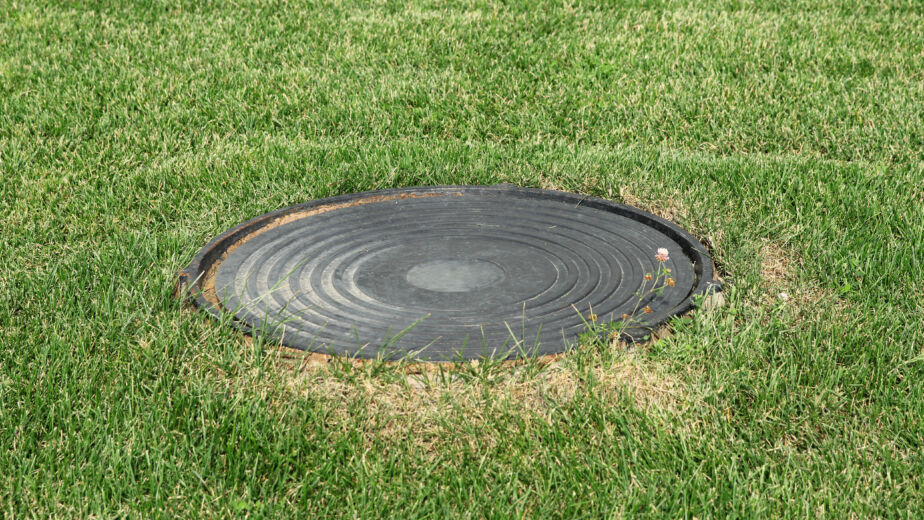
This indicates that the main sewer line leaving your house is blocked, your septic tank is completely full of sludge, or your drain field is saturated and failing. The wastewater has nowhere to go, so it backs up into the lowest drains in your home.
The Fix: This is a plumbing emergency. Stop using all water immediately. Do not run the washing machine or dishwasher. Call a licensed septic professional to inspect the system and pump the tank.
Regular maintenance is key to a healthy septic system. Consider incorporating a high-quality monthly septic tank treatment to promote beneficial bacteria, break down solids, and help prevent costly issues down the line.