When you put your home on the market, you want the sale to go as smoothly as possible. You clean the carpets, paint the walls, and fix the leaky faucets. But if your home relies on a septic system, the most critical part of the transaction is buried underground.
The Short Answer: A failed septic inspection can instantly derail a home sale, forcing you to lower your asking price by tens of thousands of dollars or pay for a massive repair before closing. To ensure your system passes inspection, you must have the tank pumped and inspected before you list the house, fix any minor issues proactively, and provide the buyer with a complete record of your maintenance history.
Let’s look at what a septic inspector is looking for, the common reasons systems fail, and the steps you can take to give buyers total confidence in your property.
The High Stakes of a Septic Inspection
For a buyer, a septic system is a major source of anxiety. If the system fails shortly after they move in, they could be facing a $10,000 to $30,000 bill to replace the drain field.
Because the stakes are so high, most lenders and savvy buyers will require a comprehensive, independent septic inspection before closing the deal. A standard home inspector will not evaluate the septic tank; a specialized, certified septic professional must perform the evaluation.
If the inspector finds a problem, the buyer has immense leverage. They can demand you fix the issue, drastically reduce their offer, or simply walk away from the sale.
What the Inspector is Looking For
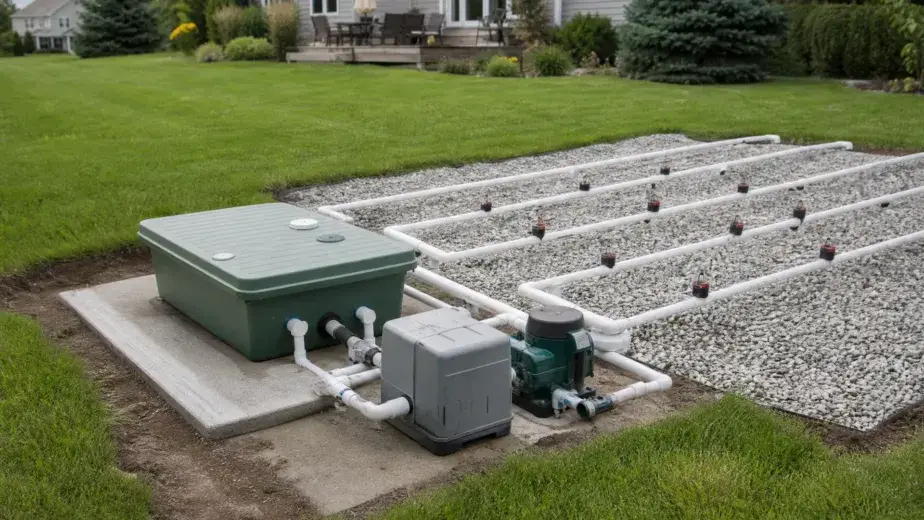
A thorough septic inspection is much more than just flushing the toilets. The inspector will locate the tank, open the lids, and evaluate the entire system from the house to the drain field.
Here are the four main areas they will scrutinize:
1. The Sludge and Scum Levels
The inspector will measure the depth of the solid sludge layer at the bottom of the tank and the floating scum layer at the top. If these layers are too thick, it means the tank is overdue for a pumping and solid waste may be dangerously close to entering the drain field.
2. The Baffles
Baffles are the critical pipes or concrete walls inside the tank that prevent the scum layer from flowing out into the drain field. If a baffle is broken, missing, or corroded (which is common in older concrete tanks), the system will fail the inspection immediately, as it means solid waste has likely escaped the tank.
3. The Tank’s Structural Integrity
The inspector will look for cracks in the concrete or fiberglass tank, signs of root intrusion, or evidence that groundwater is leaking into the tank (which overloads the system).
4. The Drain Field
This is the most important part of the inspection. The inspector will look for standing water, mushy grass, or foul odors over the drain field trenches. They may also use a camera or a probe to check the pipes for clogs or standing effluent, which indicates the soil is failing to absorb the wastewater.
How to Prepare Your System for Sale
You do not want to be surprised by a failed inspection two weeks before closing. You must take control of the process before the first buyer ever tours your home.
Step 1: Pump and Inspect Before Listing
The smartest thing you can do is hire a septic company to pump your tank and perform a pre-listing inspection.
- Why? Pumping the tank makes it easier for the buyer’s inspector to evaluate the structural integrity of the empty tank. More importantly, your pre-listing inspection will uncover any hidden issues (like a broken baffle) so you can fix them cheaply and on your own timeline, rather than under the pressure of a looming closing date.
Step 2: Gather Your Maintenance Records
Buyers want proof that the system has been cared for. Gather every receipt you have for past pump-outs, repairs, and maintenance. If you can show a consistent 3-to-5-year pumping history, it drastically reduces the buyer’s anxiety.
Step 3: Fix the Simple Things
- Expose the Lids: If your septic tank lids are buried under a foot of dirt, dig them up before the inspection. This saves the inspector time and shows you know exactly where your system is.
- Fix Leaks: A running toilet or a dripping faucet can flood the tank and make the drain field appear saturated during the inspection. Fix all plumbing leaks inside the house.
- Clear the Drain Field: Ensure there are no heavy items (like a parked car, a boat, or a heavy swing set) sitting on top of the drain field trenches.
Step 4: Disclose Everything
Be honest on your seller’s disclosure form. If the system backed up five years ago and you had the main line snaked, disclose it. Trying to hide past problems will only make the buyer suspicious if the inspector finds evidence of the repair.
The Bottom Line
A healthy septic system is a selling point, not a liability. By proactively pumping the tank, fixing minor issues, and providing a clear maintenance history, you eliminate the buyer’s fear and ensure a smooth, profitable closing. To keep the system in top condition while your house is on the market, continue to use a monthly natural bacterial treatment like a high-quality bacterial treatment to maintain a healthy biological ecosystem in the tank.