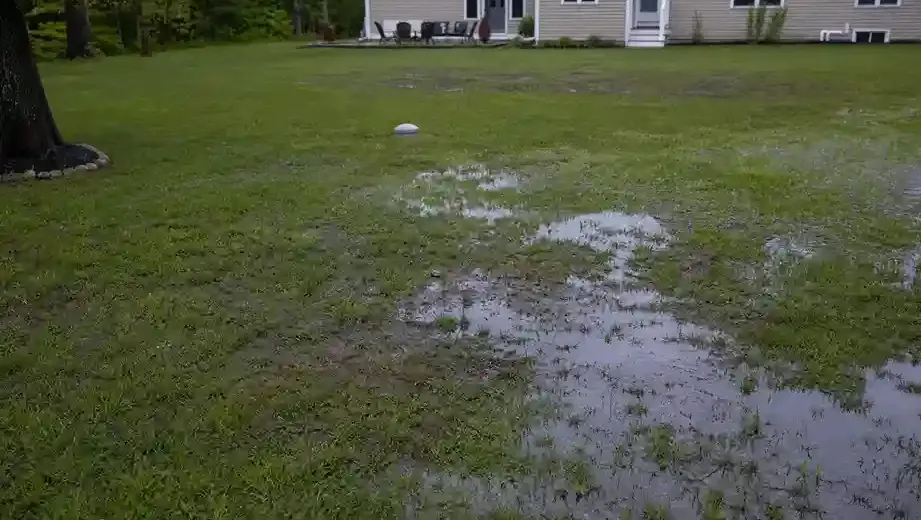
Summer is the season for backyard barbecues, slip-and-slides, and setting up the family pool. But if you rely on a septic system, all that extra water usage can quickly turn your yard into a swamp.
The Short Answer: A septic system is designed to process a specific volume of water each day. During the summer, extra showers, running the sprinkler, washing the car, and especially filling or draining a pool can easily overwhelm the system. When the tank is flooded, solid waste is pushed into the drain field, causing a catastrophic failure. You must carefully manage your water use and ensure that pool water is never drained anywhere near your septic system.
Let’s look at exactly how summer activities threaten your drain field, why chlorine is so dangerous, and the simple rules you need to follow to protect your expensive septic infrastructure.
The Danger of the “Surge”
To understand why summer water use is risky, you have to understand the concept of “retention time.”
When wastewater enters your septic tank, it needs 24 to 48 hours to sit still. This allows the heavy solid waste to sink to the bottom (forming the sludge layer) and the lighter fats to float to the top (forming the scum layer). The clear liquid in the middle (effluent) then flows out to the drain field.
If you suddenly dump hundreds of gallons of water into the tank—from taking four extra showers after a day at the beach, or running the washing machine all weekend to clean beach towels—you destroy that retention time.
The massive influx of water creates turbulence inside the tank. The solid sludge gets stirred up and mixes with the liquid effluent. Because the tank is full, this newly mixed, solid-filled wastewater is immediately pushed out into the perforated pipes of your drain field.
Once solid waste enters the drain field, it permanently clogs the soil, causing the system to fail and raw sewage to back up into your home.
The Pool Problem
If you own a swimming pool, whether it’s a permanent above-ground pool or a temporary inflatable one, it poses two massive threats to your septic system: weight and water volume.
1. The Weight
Water is incredibly heavy. A small, 10-foot inflatable pool holds over 1,000 gallons of water, weighing more than 8,000 pounds.
If you set up a pool anywhere near your drain field or septic tank, that immense static weight will compact the soil. Compacted soil cannot absorb the effluent leaving your septic tank, leading to immediate drain field failure. Worse, the weight can easily crush the shallow PVC pipes buried in the trenches.
The Rule: Never, under any circumstances, place a pool, a hot tub, or even a heavy slip-and-slide over any part of your septic system.
2. Draining the Pool
At the end of the summer, or when the water gets too dirty, you have to drain the pool.
If you pull the plug and let 1,000 gallons of water flood your yard, the soil becomes completely saturated. If that water flows over your drain field, the soil can no longer absorb the wastewater leaving your house.
Furthermore, if the pool water is treated with chlorine or algaecides, those chemicals will soak into the ground. If they seep into the septic tank or the drain field trenches, they will instantly kill the beneficial bacteria your system relies on to break down solid waste.
The Rule: When draining a pool or hot tub, run a hose as far away from the septic system and drain field as possible. Ensure the water flows downhill and away from the tank.
Managing Summer Water Use
You don’t have to stop enjoying your summer to protect your septic system. You just have to manage how and when you use water.
- Stagger Your Laundry: Do not wash all the beach towels, bathing suits, and regular laundry on a single Sunday. Spread the loads out over the entire week to give the tank time to process the water.
- Shorter Showers: Encourage family members to take quick showers to rinse off sand or sweat, rather than long, lingering baths.
- Redirect the Sprinklers: Make sure your lawn sprinklers are not heavily watering the grass over the drain field. The soil there already receives plenty of moisture from below; adding more from above will saturate it.
- Wash Cars Away from the Drain Field: If you wash your car in the driveway, ensure the soapy runoff does not flow toward the septic tank.
The Bottom Line
Summer should be fun, but it shouldn’t cost you a $15,000 drain field replacement. By keeping pools and heavy water flow far away from your septic system, staggering your laundry, and conserving water inside the house, you give your tank the retention time it needs to separate solid waste. To further support the breakdown of that solid waste during high-usage months, use a monthly natural bacterial treatment like a high-quality bacterial treatment to keep the sludge layer manageable and your drain field safe.