When you buy a home with a septic system, you inherit a private wastewater treatment plant buried in your yard. As long as the toilets flush and the sinks drain, it’s easy to forget it even exists.
But when a septic system fails, it is impossible to ignore. A failure is not just a messy inconvenience; it is one of the most catastrophic and expensive repairs a homeowner will ever face.
The Short Answer: Replacing a failed septic system is a massive financial burden. Depending on the size of your home, your local soil conditions, and municipal regulations, a new drain field and tank can easily cost between $10,000 and $30,000. In some complex situations, the cost can soar to $50,000. The only way to avoid this devastating expense is through strict, proactive maintenance: pumping the tank regularly, conserving water, and protecting the biological ecosystem with a monthly natural bacterial treatment.
Let’s break down exactly where that money goes during a replacement, the primary reasons systems fail prematurely, and the simple, affordable habits that will keep your current system running for decades.
The Anatomy of a Replacement Bill
When a septic system fails, the problem is rarely the concrete tank. The failure almost always occurs in the drain field (the network of perforated pipes and gravel trenches that absorb the liquid effluent).
When the drain field fails, the soil is permanently clogged with solid waste and organic “biomat.” You cannot simply clean the dirt; you have to dig up the entire area and start over.
Here is a breakdown of the costs involved in a typical replacement:
1. Permits and Engineering ($1,000 – $3,000)
Before a single shovel hits the dirt, you must hire a septic engineer or soil scientist. They will perform a “perc test” to evaluate how quickly your soil absorbs water. Based on the results, they will design a new system that complies with strict, modern environmental regulations. You must then pay your local health department for the necessary building permits.
2. Excavation and Removal ($2,000 – $5,000)
Heavy machinery (excavators and backhoes) must be brought onto your property. The crew will dig up the old, contaminated gravel and crushed pipes. This hazardous material must be hauled away and disposed of legally.
3. The New Drain Field ($5,000 – $15,000+)
This is the bulk of the expense. The cost depends entirely on the type of system the engineer designed.
- Conventional Gravity System: If you have excellent, sandy soil, you might get away with a standard trench system, which is the cheapest option ($5,000 – $10,000).
- Mound or Aerobic System: If your soil is dense clay, or if the water table is high, you will be forced to install a complex, engineered system. This often involves trucking in hundreds of tons of specialized sand to build a massive “mound” in your yard, along with electrical pumps and alarms. These systems routinely cost $15,000 to $30,000.
4. Landscaping Repair ($1,000 – $5,000)
The excavation process will destroy your yard. Once the new system is buried, you are left with a massive expanse of bare dirt. You will need to pay for grading, topsoil, seed, or sod to restore your lawn. If the heavy equipment cracked your driveway or crushed your landscaping beds, those repairs are also on you.
Why Do Septic Systems Fail?
A well-maintained septic system should last 25 to 30 years. When a system fails prematurely (at 10 or 15 years), it is almost always due to homeowner neglect or abuse.
The three primary causes of premature failure are:
- Never Pumping the Tank: If you don’t pump the tank every 3 to 5 years, the solid sludge layer grows too high. Eventually, that thick sludge is pushed out into the drain field, instantly clogging the soil.
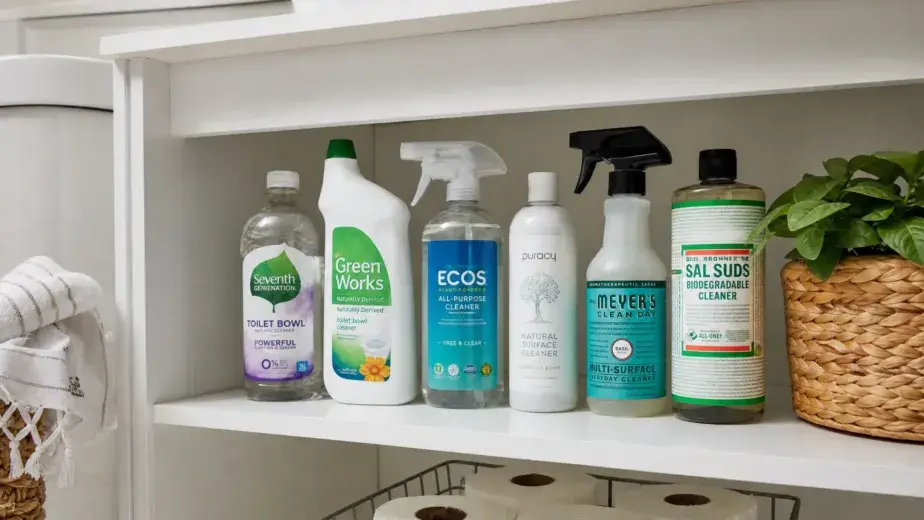
- Killing the Bacteria: Pouring bleach, chemical drain cleaners, paint thinners, or excessive antibacterial soaps down the drain kills the beneficial bacteria in the tank. Without bacteria to digest the waste, the sludge layer builds up rapidly.
- Hydraulic Overload: Using too much water (e.g., doing five loads of laundry in one day or draining a pool near the system) floods the tank, pushing untreated, solid-filled wastewater into the drain field before it has time to settle.
How to Avoid the $30,000 Bill
Protecting your bank account requires treating your plumbing with respect. You can easily extend the life of your septic system by decades if you follow a few simple rules.
- Establish a Pumping Schedule: Do not wait for a backup. Have your tank pumped and inspected by a professional every 3 to 5 years.
- Conserve Water: Stagger your laundry throughout the week, fix running toilets immediately, and install low-flow showerheads to reduce the daily volume of water entering the tank.
- Protect the Drain Field: Never drive vehicles, build structures, or plant trees over the drain field.
- Watch What You Flush: Only flush human waste and septic-safe toilet paper. Never flush wipes, feminine products, or paper towels. Never use a garbage disposal.
- Support the Ecosystem: The cheapest insurance policy for your septic system is a healthy bacterial colony. Use a monthly natural bacterial treatment like a high-quality bacterial treatment to continuously break down solid waste, reduce the sludge layer, and keep the effluent flowing clearly into your drain field.
The Bottom Line
A $30,000 septic replacement is a financial nightmare, but it is almost entirely preventable. By investing a small amount of money in routine pumping and monthly bacterial maintenance, you can keep your system healthy, protect your property value, and sleep soundly knowing your plumbing is secure.