Buying a Home with a Septic System: Questions You MUST Ask the Seller
If you are moving from the city to the suburbs or a rural area, you might be looking at homes with a septic system for the first time. While a well-maintained septic system is perfectly safe and efficient, a neglected one is a ticking financial time bomb.
The Short Answer: Buying a home with a failing septic system can instantly add $10,000 to $30,000 to the cost of your new house. Before you sign any paperwork, you must ask the seller specific questions about the system’s age, pumping history, and past repairs. More importantly, you must hire an independent, certified septic inspector to evaluate the tank and the drain field. Do not rely on a standard home inspection.
Let’s look at the critical questions you need to ask the seller, the red flags to watch out for during your walkthrough, and the inspection process that will protect your investment.
The Cost of Ignorance
A septic system is the most expensive appliance in a home, and it is entirely buried underground. You cannot see the condition of the tank, the baffles, or the drain field pipes.
If the previous owner treated the system poorly—by flushing wipes, pouring grease down the drain, or never pumping the tank—the drain field could be on the verge of catastrophic failure. If the system fails a month after you move in, you are responsible for the replacement cost. A new drain field can easily cost between $10,000 and $30,000, depending on your soil and local regulations.
5 Questions You MUST Ask the Seller
Before you make an offer, demand written answers to these five questions:
1. Where is the septic tank and the drain field located?
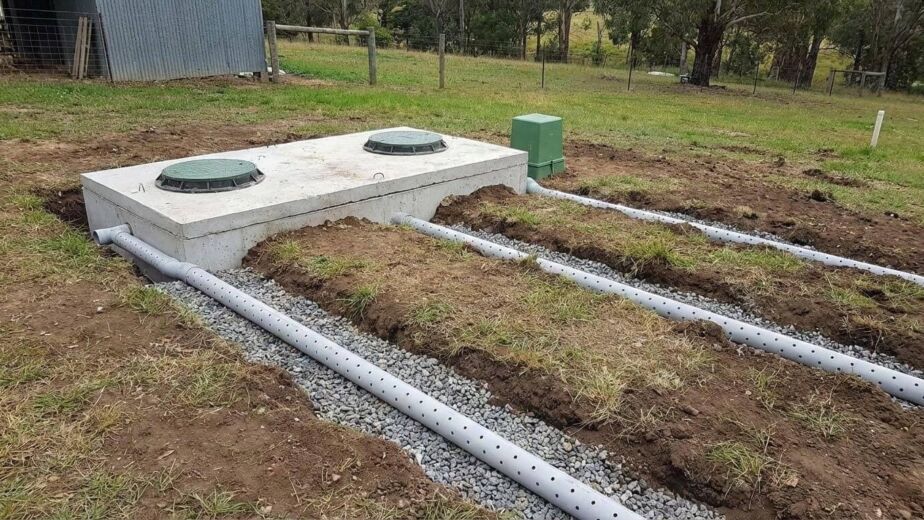
You need to know exactly where the system is buried. If the seller doesn’t know, it’s a massive red flag that they have never maintained it. Once you know the location, you can ensure there are no deep-rooted trees planted over the pipes, and no heavy structures (like a shed, deck, or driveway) built over the tank or drain field.
2. How old is the system?
A typical septic system lasts 25 to 30 years. If the house was built in 1990 and the system has never been replaced, you are buying a system at the very end of its lifespan. You need to factor the cost of an imminent replacement into your offer.
3. When was the tank last pumped?
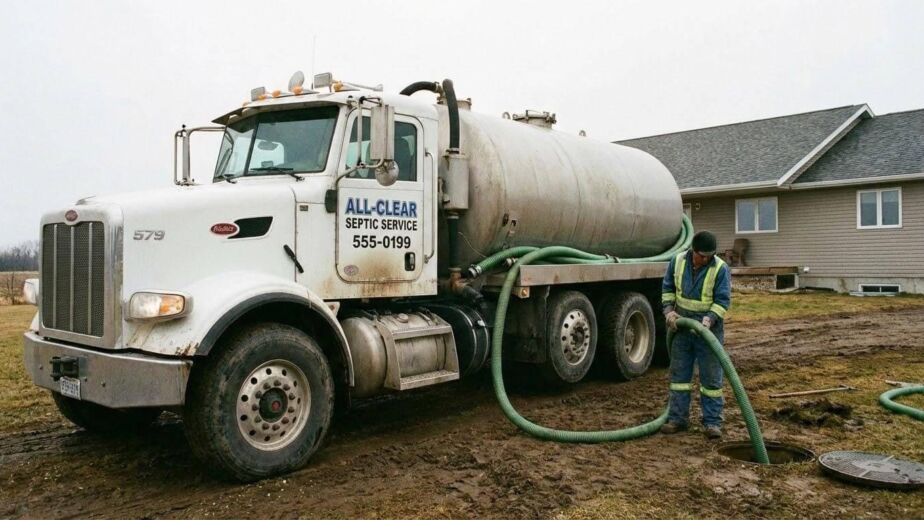
A healthy septic tank should be pumped every 3 to 5 years. Ask for the receipt from the last pumping service. If the seller says, “We’ve lived here 15 years and never had to pump it because it works so well,” walk away or demand a massive concession. A tank that hasn’t been pumped in a decade is full of solid sludge that is actively destroying the drain field.
4. What type of system is it?
Is it a conventional gravity system, an aerobic system, or a mound system? Aerobic and mound systems have mechanical pumps and electrical alarms that require more frequent maintenance and can break down. You need to know what you are buying.
5. Have there been any past repairs or backups?
Ask for the service records. If the system has a history of backing up into the house or requiring frequent snaking of the main line, there is a chronic underlying issue that has not been resolved.
The Independent Septic Inspection
A standard home inspector will flush the toilets, run the sinks, and look for obvious leaks. They will not inspect the septic system.
You must hire a certified septic professional to perform a comprehensive inspection. This usually costs between $300 and $600, but it is the best money you will spend during the home-buying process.
A proper inspection includes:
**Locating and opening the tank.**
**Checking the sludge and scum levels.**
**Inspecting the baffles** (the pipes that prevent solid waste from entering the drain field).
**Checking the condition of the concrete or fiberglass tank** for cracks or root intrusion.
**Evaluating the drain field** (often by running a camera down the pipes or using a probe to check for standing water in the trenches).
Red Flags During Your Walkthrough
While you wait for the professional inspection, keep your eyes and nose open during your tour of the property:
**Foul Odors:** A sulfurous, rotten-egg smell in the yard or the basement is a sign of a failing system.
**Mushy Grass:** If the grass over the drain field is unusually green, tall, or spongy to walk on, the trenches are flooded with effluent.
**Slow Drains:** If the sinks gurgle or drain sluggishly, the main line is clogged or the tank is full.
The Bottom Line
Never buy a home with a septic system on blind faith. By asking the right questions, demanding service records, and hiring an independent inspector, you can ensure you are buying a functional system. Once you move in, protect your new investment by establishing a 3-to-5-year pumping schedule and using a monthly natural bacterial treatment like a high-quality bacterial treatment to keep the ecosystem healthy and the drain field safe.